Last updated: August 13, 2026
In this Audifort review, we break down the ingredients, the claims, the pricing, and what to watch out for before you buy.
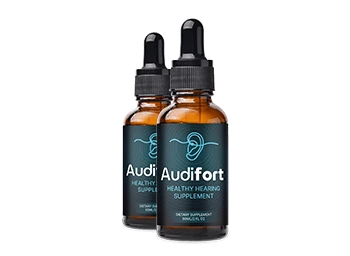
Quick take: Audifort is a liquid drop supplement marketed for hearing support, tinnitus relief, and cognitive clarity, built around plant extracts and minerals like Maca Root, Grape Seed Extract, and GABA. It’s manufactured in a GMP-certified, FDA-registered U.S. facility, ships with a 90-day money-back guarantee, and costs $49–$99 per bottle depending on the package. Below, we break down the ingredients, the claims, the pricing, and what to watch out for before you buy.
This article contains affiliate links. If you purchase through them, we may earn a commission at no additional cost to you. See our Affiliate Disclosure for details. These statements have not been evaluated by the Food and Drug Administration. This product is not intended to diagnose, treat, cure, or prevent any disease.
What Is Audifort?
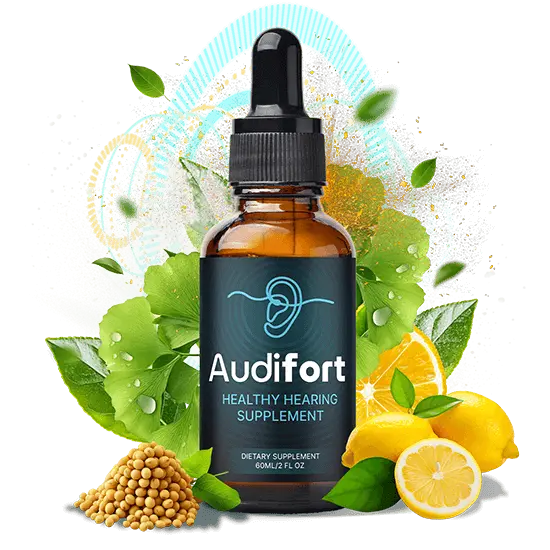
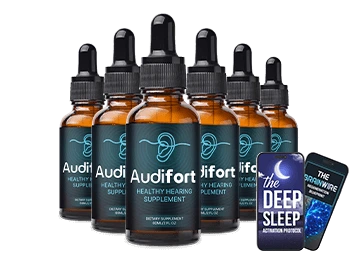
Audifort is a liquid dietary supplement positioned as a natural option for supporting hearing clarity and cognitive function. According to the manufacturer, it’s formulated for adults in their 30s through 70s and combines over 20 plant-based ingredients and minerals designed to work together rather than as isolated compounds.
The product comes in dropper-bottle form, taken orally (under the tongue or mixed into water/juice), with a suggested dose of one dropper in the morning and one before lunch.
Key Ingredients
| Ingredient | Manufacturer’s Claimed Role |
|---|---|
| Maca Root | Traditionally used for vitality and stress adaptation; brand claims it supports stress resilience linked to auditory nerve function |
| Grape Seed Extract | Antioxidant (proanthocyanidins); brand claims it protects auditory cells from oxidative stress |
| Green Tea Extract | Contains EGCG; brand claims it supports blood flow to the ears and brain |
| Capsicum Annuum (Cayenne) | Brand claims anti-inflammatory and circulatory support for ear tissue |
| Gymnema Sylvestre | Traditionally linked to blood sugar balance; brand claims it supports auditory nerve health |
| GABA | A calming neurotransmitter; brand claims it reduces stress-related tension linked to tinnitus symptoms |
Important: These are the manufacturer’s stated mechanisms, not independently verified clinical claims. None of the specific “supports hearing/reduces tinnitus” claims above are backed by a cited clinical trial on the finished Audifort formula itself — the ingredients individually have general wellness research behind them (e.g., antioxidant or stress-adaptive properties), but that’s different from proving the combined product treats hearing loss or tinnitus. Always evaluate ingredient-level research separately from finished-product marketing claims.
What the Research Says About Green Tea Extract
For hearing specifically, the research we found consists of laboratory studies. In one of them, EGCG protected cultured auditory cells from damage caused by the chemotherapy drug cisplatin. That is a different situation from the everyday hearing concerns this product targets, and cell studies do not prove the same effect in people. We did not find human clinical trials showing that green tea extract improves hearing or reduces tinnitus.
Safety note: case reports have linked concentrated green tea extracts to liver injury in some people. A systematic review of 34 randomized controlled trials found liver-related adverse events were uncommon, mostly mild elevations in liver enzymes, and the authors concluded that serious liver problems are expected to be rare. However, the statistical results were not conclusive, and trials may not capture rare cases. If you have liver problems, take other medications, or plan to use high doses, talk to a doctor first.
What the Research Says About GABA
GABA is the brain’s main inhibitory neurotransmitter, and it is often sold as a calming supplement. A systematic review of 14 placebo-controlled human trials found limited evidence for stress benefits and very limited evidence for sleep benefits from oral GABA, and the authors said more studies are needed before drawing conclusions.
Tinnitus research does discuss GABA, but as a brain mechanism: some studies suggest that reduced inhibitory signaling in the auditory pathways may play a role in tinnitus. That is not the same as showing that GABA taken as a supplement helps. In our searches, we did not find human trials testing oral GABA supplements for tinnitus or hearing, so the manufacturer’s claim about stress-related tension linked to tinnitus symptoms is not supported by research we could verify.
What the Research Says About Maca
Maca has a long history of traditional use in the Peruvian Andes, and most modern research on it focuses on areas such as sexual desire, fertility, and menopausal symptoms. A published review of maca’s reproductive health claims concluded that they cannot be fully supported scientifically so far, citing inconclusive results and methodological limitations in the studies, and called for more research. In the studies that appeared in our searches, we did not find research testing maca for hearing, tinnitus, or auditory nerve function, so the manufacturer’s claim about stress resilience linked to auditory nerve function is not supported by research we could verify.
Manufacturing & Quality Claims
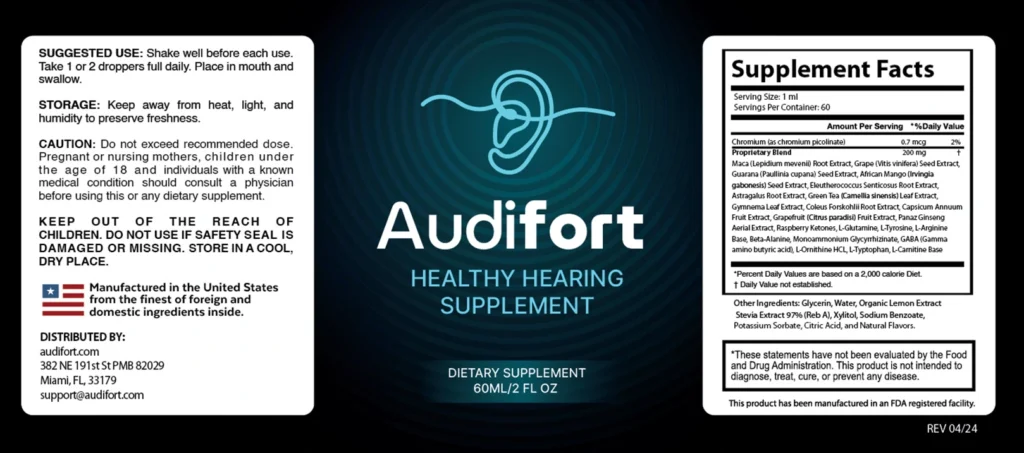
- Manufactured in the United States
- GMP-certified facility
- FDA-registered facility (note: FDA registration is not the same as FDA approval of the product itself — no dietary supplement is “FDA approved”)
- Marketed as non-GMO, gluten-free, and free of common allergens (soy, dairy, nuts)
Pricing & Guarantee
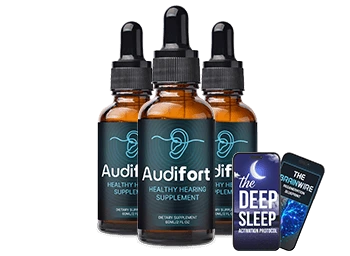
- Listed regular price: $99/bottle
- Promotional price: $49/bottle (varies by package size — single bottle, 3-bottle, or 6-bottle options)
- Multi-bottle packages include bonus digital guides per the seller
- 90-day money-back guarantee, refundable even if bottles are empty, minus shipping/handling
- Sold exclusively through the official website — not available on Amazon, in stores, or pharmacies
Pros and Cons
Pros
- Long refund window (90 days) reduces purchase risk
- Manufactured in a GMP-certified, FDA-registered facility
- Non-GMO, gluten-free, allergen-conscious formulation
- Liquid format may be easier to take than pills for some users
Cons
- No independent clinical trial on the finished product was found
- Marketing language on the sales page makes broad claims not tied to specific citations
- Premium pricing compared to single-ingredient supplements
- Only available through the official site, not major retailers — limits price comparison and buyer protections some retailers offer
Is Audifort Right for You?
If you’re dealing with mild hearing fatigue, occasional ringing, or just want general antioxidant/circulatory support as part of a wellness routine, Audifort’s ingredient profile is generally recognized as safe for most healthy adults. It is not a substitute for medical evaluation of hearing loss or tinnitus, which can have underlying causes (noise damage, medication side effects, ear infections, or other conditions) that a supplement cannot address.
Talk to a doctor first if you:
- Are pregnant or nursing
- Take prescription medication (especially blood pressure or blood sugar medication, given some ingredients’ traditional associations)
- Have a diagnosed medical condition affecting hearing
Our Verdict
Audifort offers a low-risk way to try a hearing-support supplement, mainly thanks to the 90-day guarantee. But the marketing claims outpace the available independent evidence — treat this as a general wellness supplement with an interesting ingredient profile, not a clinically proven hearing treatment. If your hearing concerns are new, sudden, or worsening, see an audiologist before trying any supplement.
Is Audifort FDA approved?
No. No dietary supplement is FDA approved. Audifort is manufactured in an FDA-registered facility, which is a different (lower) standard than product approval.
How long until I see results?
The manufacturer recommends consistent use for 3–6 months for full effect. Individual results are not guaranteed and will vary.
Can I buy Audifort on Amazon?
No. The manufacturer states it is sold exclusively through their official website to guarantee authenticity.
What if Audifort doesn’t work for me?
Audifort is backed by a 90-day money-back guarantee directly from the manufacturer.
Is Audifort safe to take with other medications?
Consult your doctor before combining any new supplement with prescription medication, especially if you have an existing health condition.
Check Current Pricing on the Official Site →
Disclosure: We are not affiliated with, endorsed by, or sponsored by Audifort or its manufacturer. This article contains affiliate links, and we may earn a commission on qualifying purchases at no extra cost to you. This did not influence the analysis above.